San JoseHardscapes
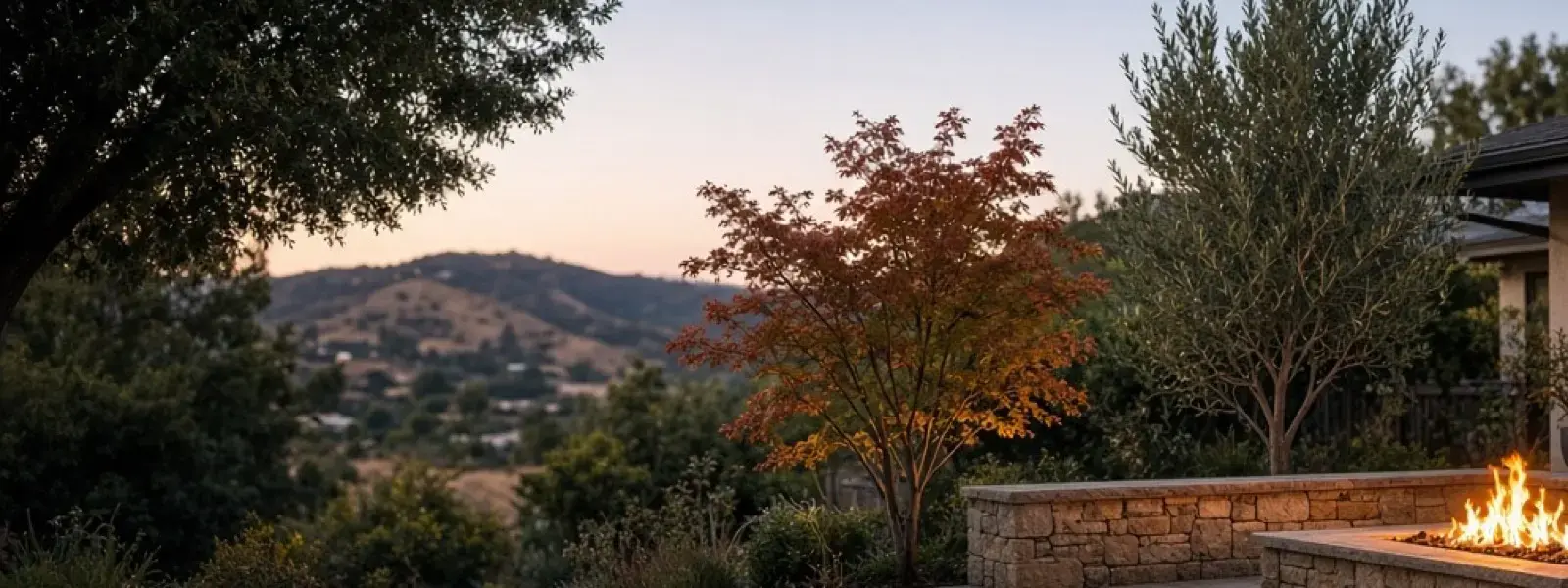
Finished backyard hardscape at dusk in the Santa Clara Valley with a paver patio, stone seating wall and gas fire feature

Where We Work

Hardscaping in Cupertino, CA

Patios, walls, driveways and outdoor living for Cupertino yards, built for the ground they sit on.

Hardscaping in Cupertino

Hardscaping in Cupertino means building for two very different kinds of lots: flat mid-century ranch parcels on the valley floor, and sloped properties along the western foothill edge. Soil, drainage, tree rules and fire-conscious design all shift from one street to the next, so we plan each project around the specific lot.

If you're planning a patio, driveway or retaining wall in Cupertino, the first thing we look at is where your lot sits. San Jose Hardscapes works across the city, and the difference between a flat parcel near Stevens Creek Boulevard and a property tucked against the Santa Cruz Mountains is bigger than most people expect. Same city, different dirt, different drainage, different rules.

A lot of homes here were built as mid-century ranches, and plenty of them have been remodeled or rebuilt as larger two-story houses. That usually means the backyard grade, the old concrete and the drainage patterns no longer match the new footprint. Hardscape is often the last piece of the project, and it's the piece that has to fix whatever the construction crew left behind.

At a glance

Cupertino in brief

Housing mix

Many mid-century ranch homes, alongside a steady number of newer, larger rebuilds on the same lot sizes.

Soil

Expansive clay is common on the flatter parts of the city. Closer to the foothills the ground gets rockier and shallower in places.

Creek

Stevens Creek runs through the area, and work near the bank often has setback and permit requirements. Check with the city and the water district.

Wet season

Rain mostly falls between roughly November and April, usually in a few strong storms rather than steady drizzle.

West edge

Properties near the foothills may fall in fire-hazard zones, which can affect materials, vegetation and fire-feature choices.

Fire features

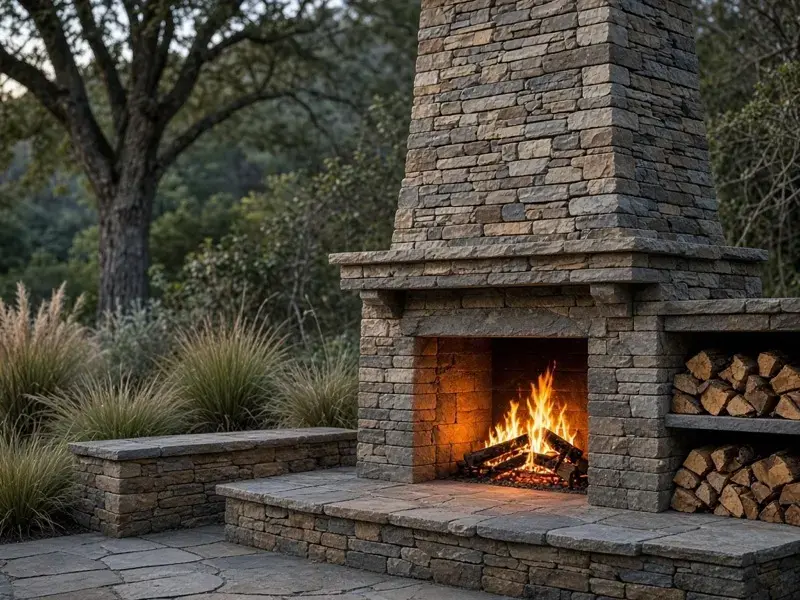
Spare the Air days from the regional air district limit wood burning, so gas is the common choice for fire pits and fireplaces.

Local conditions

What changes in Cupertino

01

Clay moves, so the base has to be thicker and drier

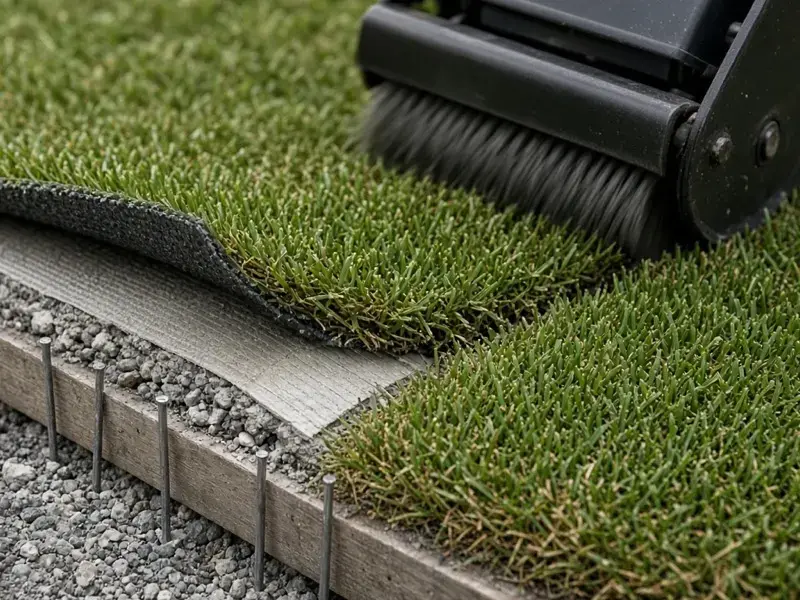
On the flatter lots, the native clay swells when it's wet and shrinks when it dries out. Pavers laid over a thin base follow that movement and end up wavy. We typically excavate deeper, lay geotextile where the subgrade is soft, and compact an open-graded or crushed aggregate base in lifts so water drains away instead of sitting under the surface.

02

Rebuilds change the grade

When an old ranch house comes down and a bigger one goes up, the pad is often raised and the drainage paths shift. The patio that used to slope away from the house might now slope toward it. Before we price anything, we check the finished floor elevation and plan at least a quarter inch of fall per foot away from the structure.

03

Slopes need real retaining, not stacked blocks

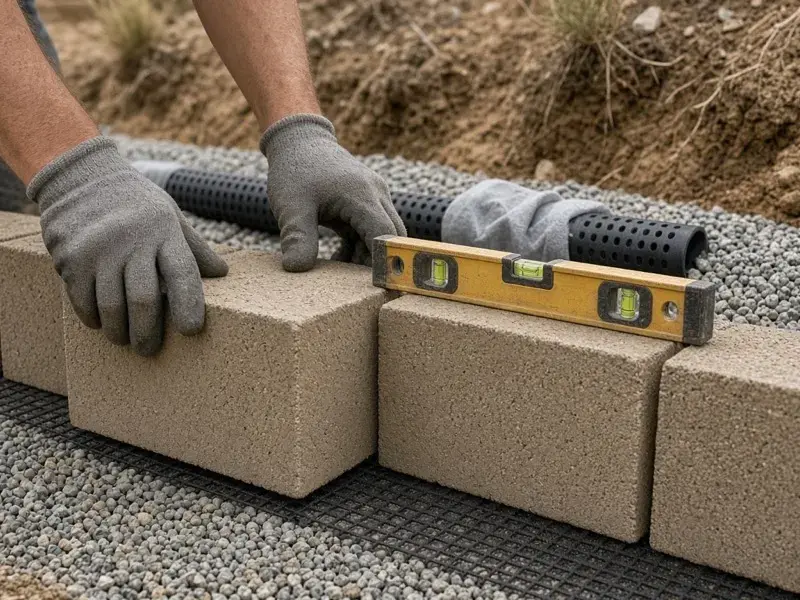
Near the western foothills, a terraced yard usually means a retaining wall. We look at wall height, what's holding up behind it, and whether drainage and reinforcement are needed. Taller walls often need engineering and a permit, so we flag that early rather than after the first course of block is down.

04

Mature trees and roots limit where we can dig

Established oaks and other large trees are part of the character here, and many are protected in some form. Digging near roots can hurt the tree and the permit process. We often adjust layouts, use cell-based or floating sections near roots, and suggest checking the city's tree rules before the design is final.

01

Flat lots near Stevens Creek: drainage first, finish second

A big chunk of Cupertino sits on the valley floor, with lots that are close to flat and soil that holds water. On those properties, the most common call we get is some version of "the backyard stays soggy." Often the patio isn't the problem. The grade is. Water has nowhere to go, so it sits against the foundation or pools on the lowest corner of the lot.

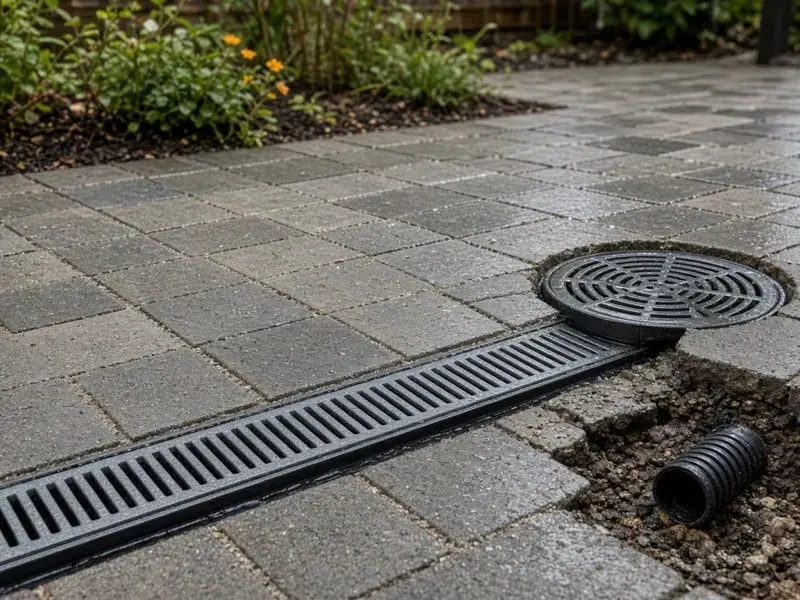
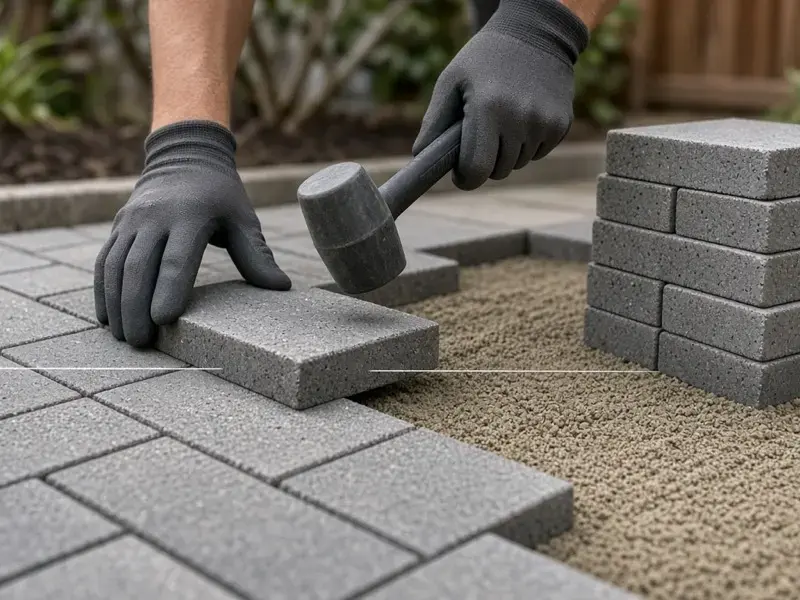
That's why a paver patio here usually starts with a drainage plan. We set elevations from the house, run a minimum 2 percent slope away from the structure, and tie in catch basins or a French drain where the water has to travel farther than the surface can carry it. Perforated pipe goes in with the holes down, wrapped in fabric, bedded in clean washed drain rock.

None of that shows up in the finished photos, which is exactly why it gets skipped on jobs that go to the lowest bidder. If you've got a backyard that stays wet into spring, we'd rather deal with the water before we put expensive material on top of it.
02

Out toward the western foothills

The west side of the city changes character fast. Lots get larger, streets get steeper, and the ground starts to look more like the Santa Cruz Mountains and less like the valley. Soil can be shallow over rock in places, and some properties have cut-and-fill pads that were graded decades ago.

On sloped lots, a retaining wall is often the first thing we talk about, because flat usable space has to be made rather than found. We look at what's behind the wall, how much water will reach it, and whether the soil is stable enough to hold a gravity wall or needs geogrid reinforcement. Segmental block is common, and so is poured concrete with a veneer when the loads are heavier.

Parts of the foothill edge also fall in fire-hazard areas. That doesn't ban hardscape, it makes it more useful. Non-combustible surfaces next to the house, wider hard-surface buffers and carefully placed fire features all make sense here. Ask your insurance company and the fire authority what they'd like to see, because the rules and recommendations can change.

03

What people in Cupertino usually ask for

A lot of the calls are from homeowners who've finished a remodel and want the yard to match. Entertaining space is the big one: a patio sized for a table and a grill, a bit of seating around a gas fire feature, and a path that makes sense from the side gate. Many of the lots are modest in size, so every square foot has to be planned.

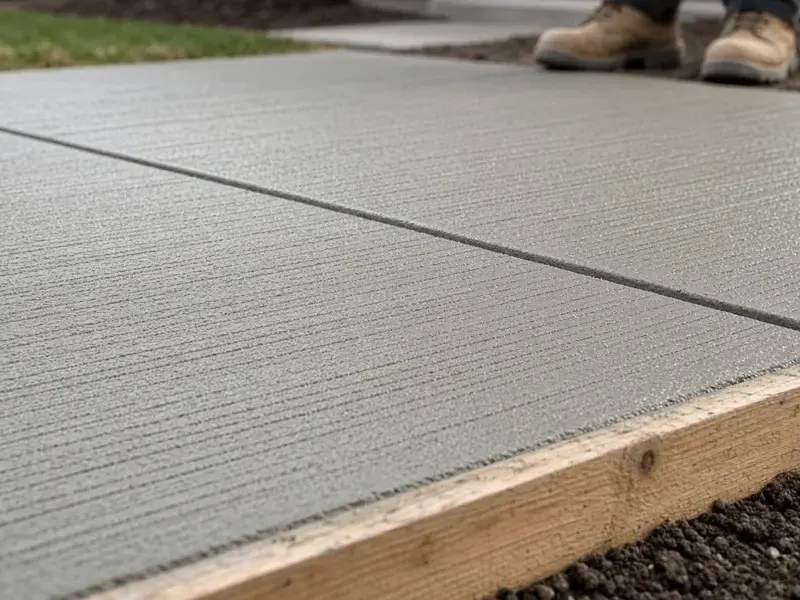
Driveways are the other regular. Older concrete cracks over clay, and tree roots lift slabs. Replacing a concrete driveway properly means subgrade prep, a compacted base, reinforcement and jointing laid out on purpose. A driveway paved quickly over a wet subgrade will crack again, and that's a pattern we've seen plenty of times on clay.

Some homeowners also ask about an outdoor kitchen on a new slab or paver base. Gas, power and water lines usually need permits and the right clearances from the house, so we sort out utility routing before we plan the counters.

Popular in Cupertino

What we build in Cupertino

Questions

Cupertino questions, answered

Do I need a permit for a patio or retaining wall in Cupertino?

It depends on the size, height and what's involved. Ground-level patios often don't, but retaining walls above a certain height, walls that hold a surcharge like a driveway, and anything with gas or electrical work typically do. Check with the city before work begins, and we'll tell you what we think is likely when we see the site.

Why do my pavers sink in some places and not others?

On clay lots, uneven moisture in the subgrade causes uneven movement. A thin or poorly compacted base makes it worse. A deeper base compacted in lifts, geotextile where the subgrade is soft, and proper drainage all help the surface stay flat over time.

Can I build near Stevens Creek?

Properties close to a creek bank often have setback rules and may need review from the city or the water district. We'd start by checking your parcel's distance to the top of bank before drawing anything.

Is a gas fire pit better than wood in Cupertino?

For many homeowners, yes. Spare the Air days restrict wood burning, and gas gives you control and less smoke. You'd still want proper clearances from fences, eaves and trees.

Will tree roots limit what I can build?

They can. Large trees are often protected, and digging in the root zone can hurt them. We usually adjust the layout, use shallower construction near roots, and recommend checking the city's tree rules early.

Planning a project in Cupertino?

Whether your Cupertino lot is flat and soggy or tilted against the foothills, San Jose Hardscapes can walk it with you, talk through the soil and slope, and put together a plan that fits the property. Reach out when you're ready and we'll set up a time to look at the yard.