 01
Paver Patio Installation San Jose
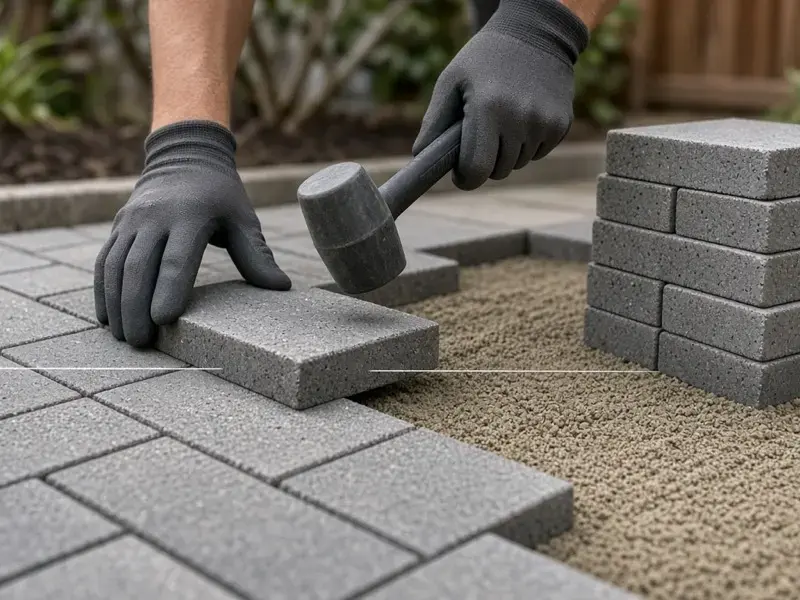
Herringbone, running bond, and custom layouts over a base built for Valley clay.
Twelve ways we build patios, walls, driveways and outdoor living for Santa Clara Valley yards.
What we build
San Jose Hardscapes builds the hard surfaces and structures of a yard: patios, walkways, driveways, walls, steps, fire features, kitchens and the drainage that keeps all of it from moving. Below are the twelve things people in San Jose ask for most, each with its own page covering materials, method and the local conditions that change how we build.
Santa Clara Valley ground is not forgiving. Flatland yards sit on expansive clay that swells in the wet months and shrinks in summer. Hillside yards sit on thin soil over rock, with water running through them every winter. A patio that looks the same on paper needs a different base in each of those places, and a wall that works in one needs engineering in the other.
Every page here is written the way we'd explain it at your kitchen table. What it is, what goes into it, what usually goes wrong, and what to ask before you hire anyone.
01Herringbone, running bond, and custom layouts over a base built for Valley clay.
 02
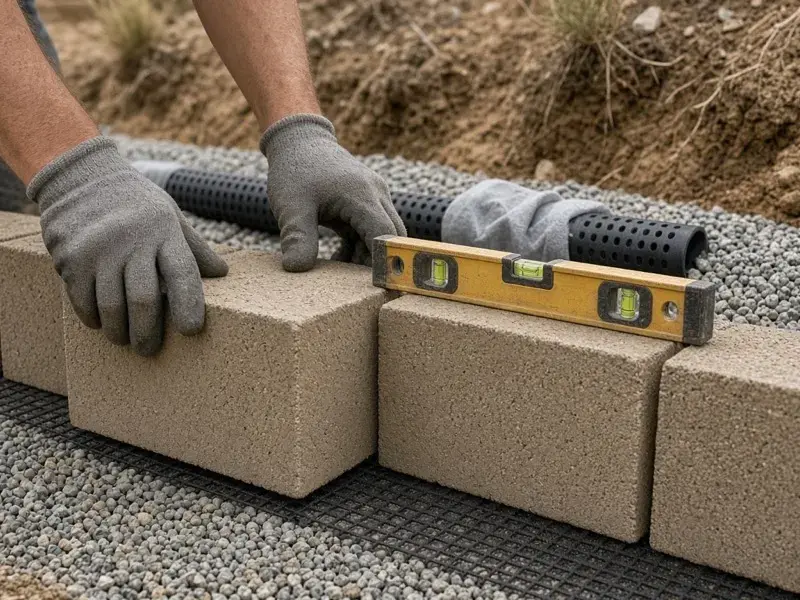
Segmental block, boulder, and poured walls for slopes, terraces and grade changes.
 03
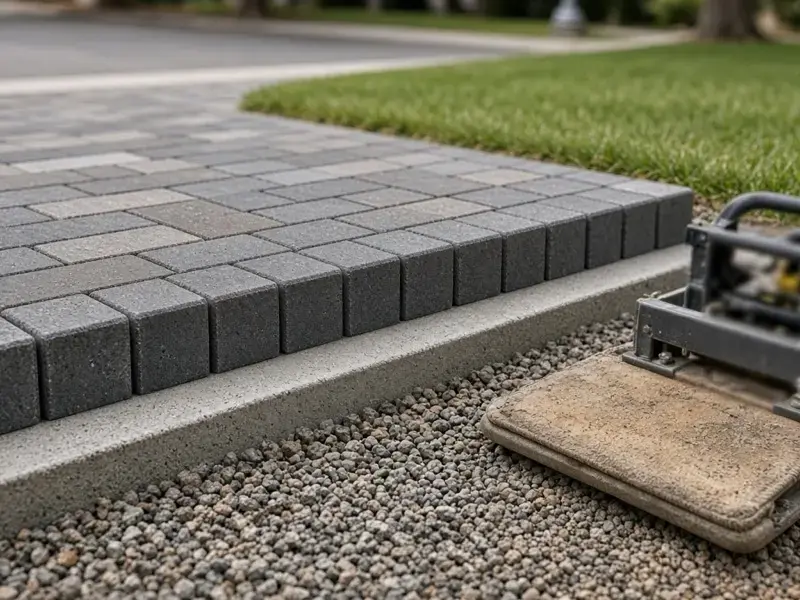
Interlocking driveways built with an 80 mm paver and a base deep enough to carry traffic.
 04
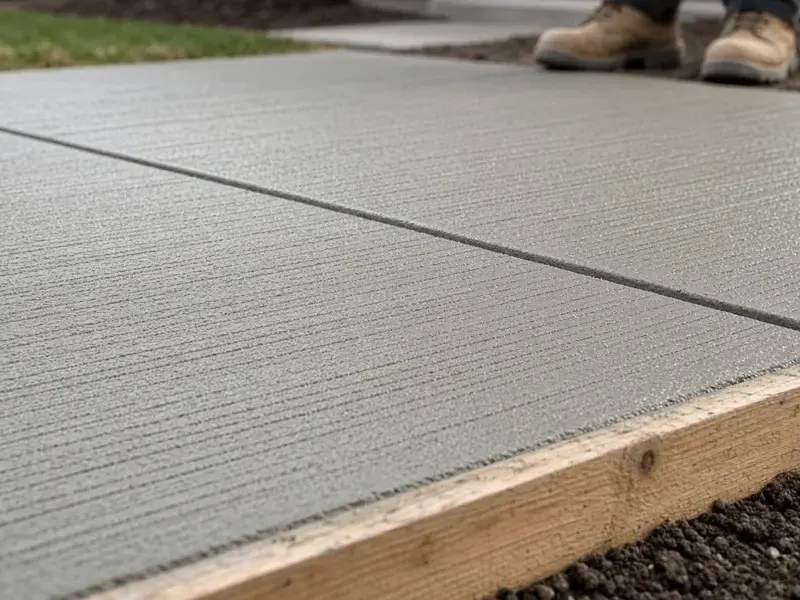
Removal, base prep, reinforced pours and finishes from broom to exposed aggregate.
 05
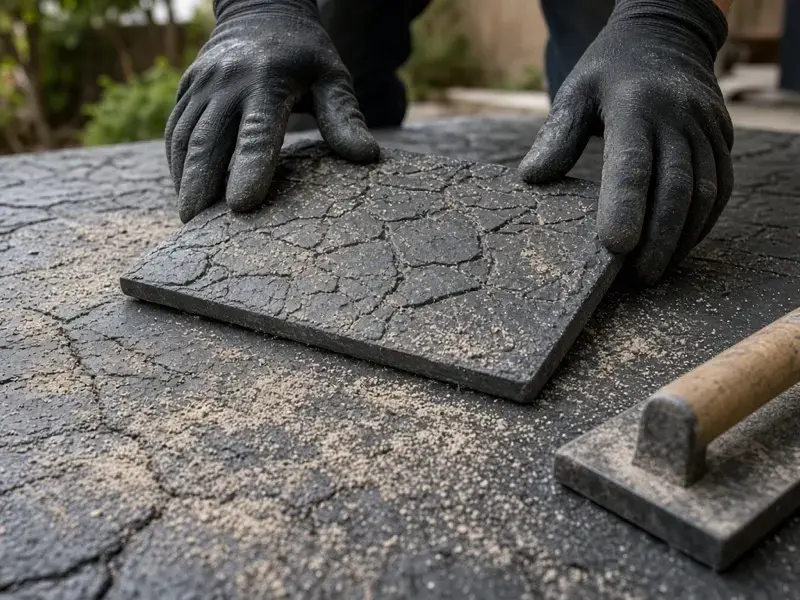
Textured, colored concrete that reads as slate, stone or timber without the joints.
 06
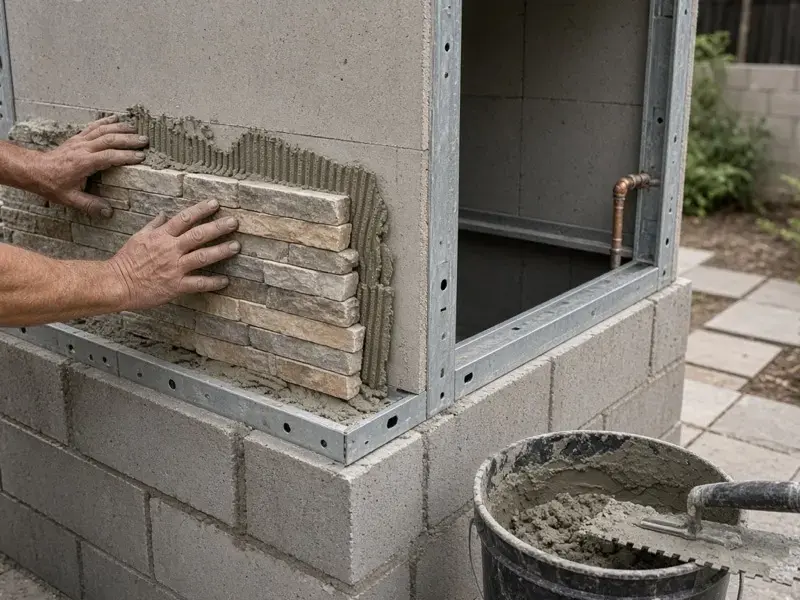
Custom islands with built-in grills, countertops, refrigeration, gas, power and lighting.
 07
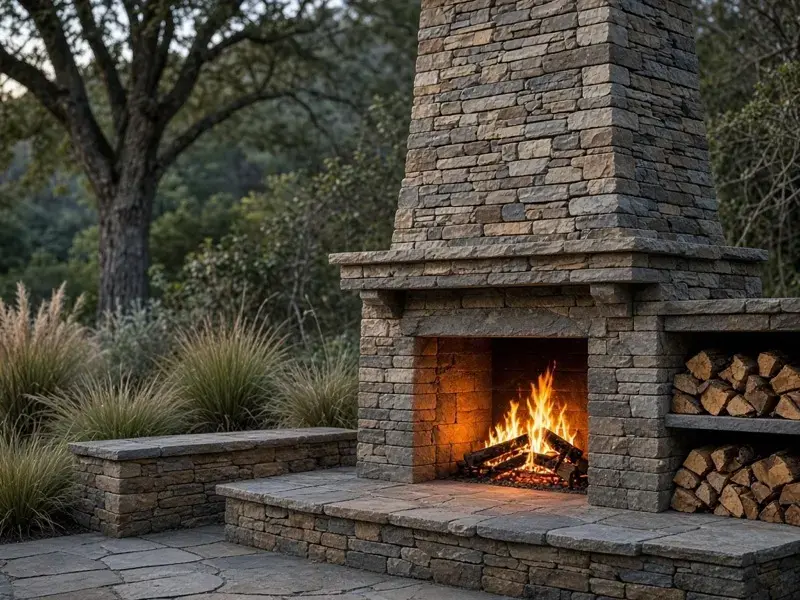
Gas fire pits, stacked-stone fireplaces and seating walls built to local clearances.
 08
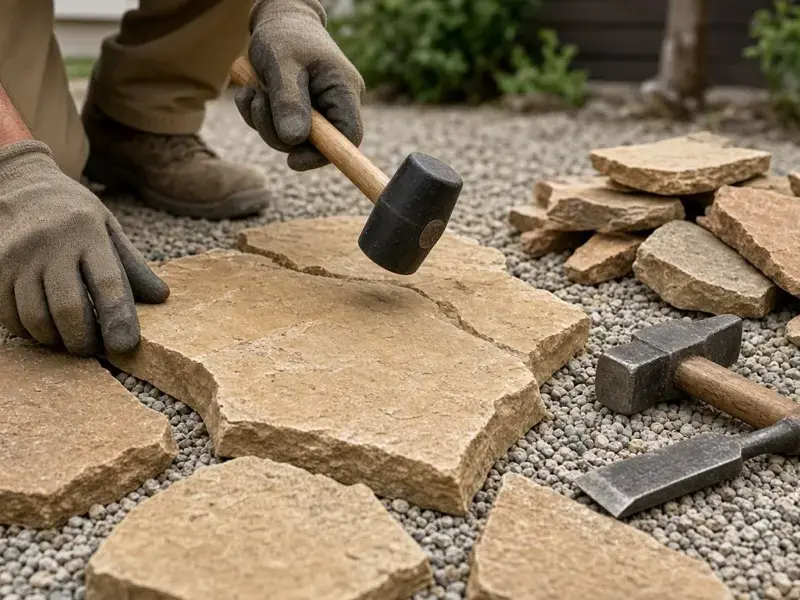
Natural flagstone, bluestone and travertine, fitted by hand and set to last.
 09
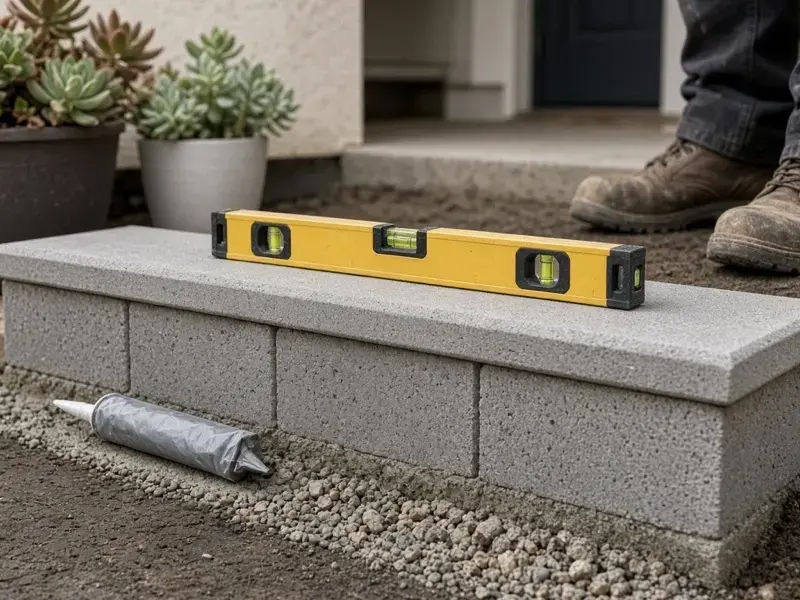
Entry walks, garden paths and paver steps with the rise and run done right.
 10
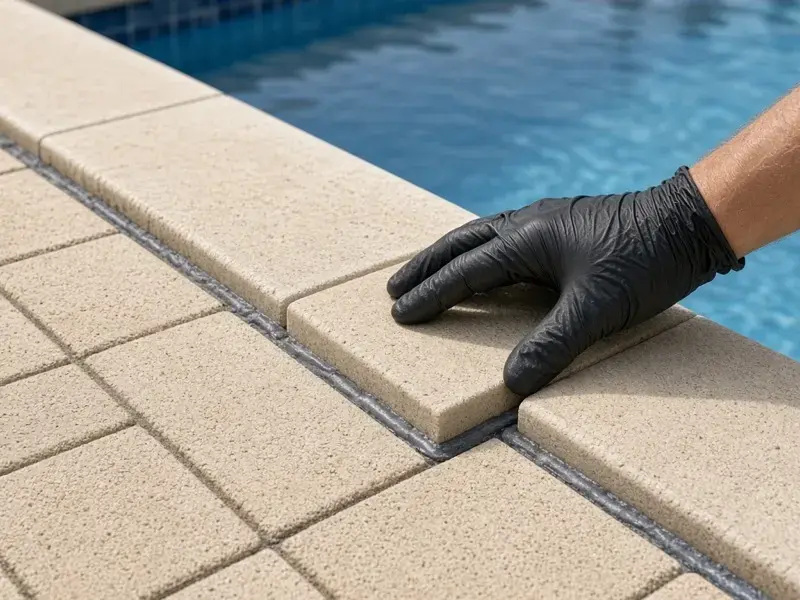
Travertine and paver decks that stay cool underfoot and drain away from the shell.
 11
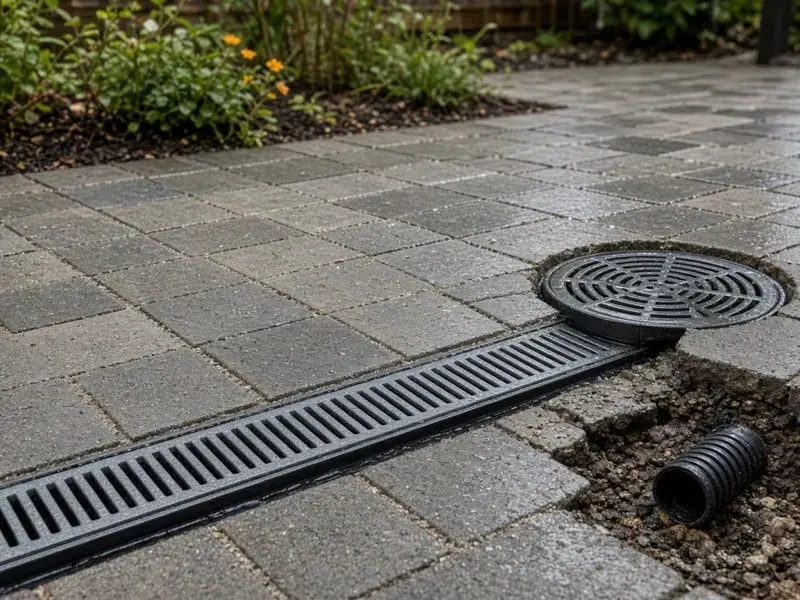
French drains, channel drains, catch basins and regrading for yards that hold water.
 12
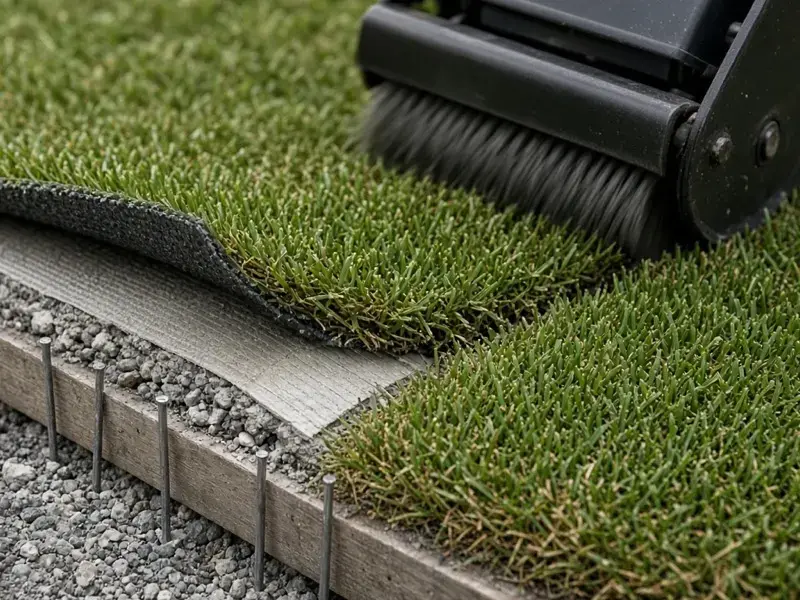
Synthetic turf over a compacted, free-draining base with seams you can't find.
Choosing well
Where does the water go? Which way does the grade fall? Where do you actually sit, cook and walk? Answer those first and the material choice gets easy. Drainage and structure come before surface.
Clay soil moves. Pavers and dry-laid stone tolerate that movement and can be reset. Monolithic slabs do not flex, so they need a better base, planned joints and a little humility about hairline cracks.
Walls and drainage go in before paving. Gas and power go in before a kitchen island is veneered. Turf and planting go in last. Planning the order up front saves tearing out finished work later.
Surface material is the part you see, but the base decides how long it stays flat. Ask about depth, aggregate type, compaction method and slope. A contractor who can answer in specifics is worth listening to.
Call or send a note and tell us what you're picturing. We'll come out, look at the soil and the water, and talk through what makes sense for your yard.