Coverage limits shape the plan
If hard surface counts against a lot coverage limit, material choice and footprint matter. Permeable options may or may not count the same way, so confirm with the town before design.
Where We Work
Patios, walls, driveways and outdoor living for Los Altos Hills yards, built for the ground they sit on.
Hardscaping in Los Altos Hills
Los Altos Hills is a town of large lots, rural roads and steep ground, so hardscaping here is as much about grading, drainage and rules as it is about materials. Retaining walls, hillside drainage and carefully sized patios and drives are the norm. Lot coverage and grading limits often shape the plan first.
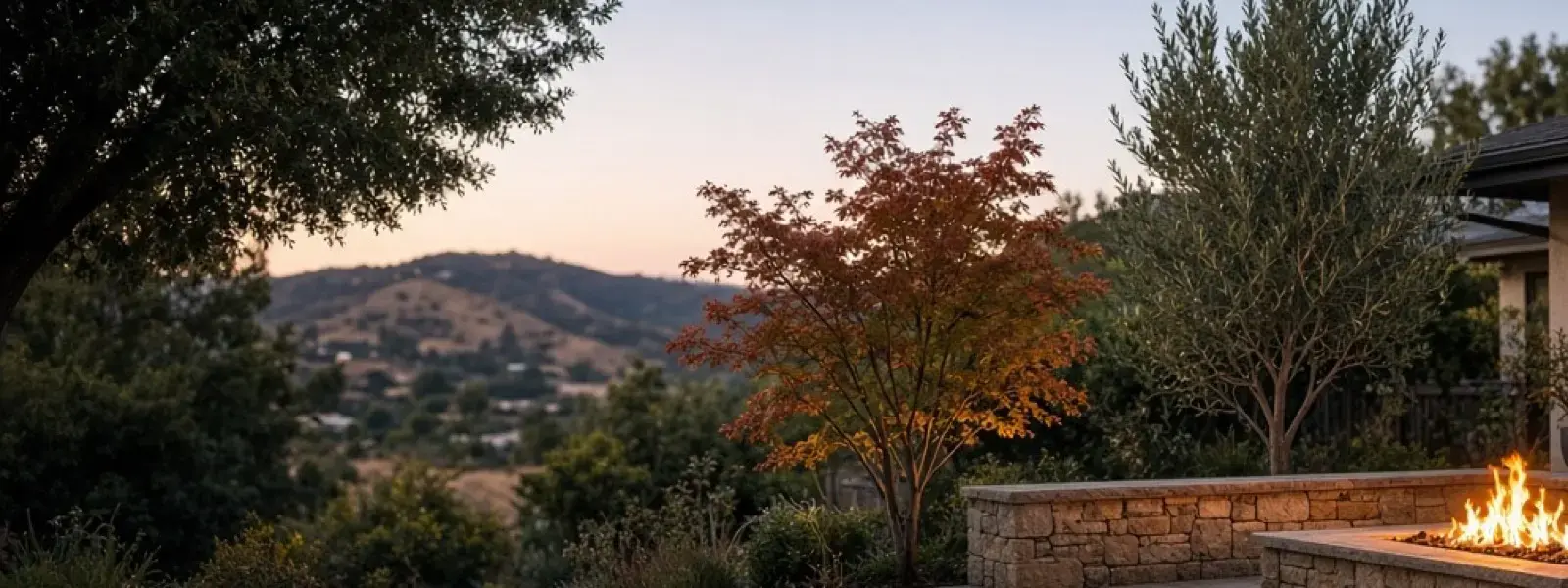
San Jose Hardscapes works in Los Altos Hills on properties that feel more like country land than suburban yards. Lots here are large, roads are narrow and often without sidewalks, and many homes sit on slopes with views. The terrain is part of the appeal, and it's also what makes every project here a little different.
Before we talk about pavers or stone, we talk about how much of the lot you're allowed to cover with hard surface, how much dirt you can move and where the water goes. The town is known for rules on grading and lot coverage, and we can't tell you your numbers. We'll help you ask the right questions.
From there, the work is usually a mix of walls, drainage, a patio sized to fit and a driveway that handles both a slope and a delivery truck.
At a glance
Lots
Large lots are the norm, with a rural feel, winding roads and plenty of mature oaks and native plantings.
Terrain
Many properties sit on sloped or steep ground, with cut-and-fill pads and view-oriented house placement.
Coverage and grading
The town tends to have strict rules on how much of a lot can be covered and how much grading is allowed. Confirm your limits with the town first.
Septic
Some properties here may rely on septic systems rather than sewer. Leach fields need protection from heavy loads and paving, so locate yours before design.
Soil
Hillsides often have shallow soil over weathered rock, with clay pockets that move seasonally.
Fire exposure
Parts of the town sit in higher fire-hazard areas, so non-combustible surfaces near the house are a common choice.
Local conditions
If hard surface counts against a lot coverage limit, material choice and footprint matter. Permeable options may or may not count the same way, so confirm with the town before design.
Moving soil on a large sloped lot can need review. We design to balance cut and fill where possible and keep the disturbed area small.
On lots with a septic system, we need to know where the tank and leach field sit. Heavy equipment, paving and deep roots can all hurt a drain field.
Narrow, sloped roads limit what trucks can reach. We plan deliveries and use equipment sized to the route, which sometimes means hand-carrying materials the last stretch.
01
On a hillside lot, walls aren't decoration. They hold a pad, a driveway turnout or a garden bed against gravity. We build with segmental blocks, poured concrete or stacked stone depending on height and load, and we pay as much attention to what's behind the wall as the face you see. A proper drainage zone with perforated pipe and washed rock keeps water pressure off the wall, which is the main thing that makes walls lean. Our retaining wall work here often involves an engineer on taller walls.
Permits for walls here are likely to depend on height and what sits above and below. Check with the town before you build. If a wall has a drop on the downhill side, a guard or railing may come into play, so we plan the wall and the safety side together.
02
If lot coverage is tight on your property, the way you build the patio matters. A smaller gathering area with a well-laid paver patio often does more than a large slab that eats up the allowance. Some owners add stepping stones, gravel paths and planted joints in place of wide paved walks. Whether permeable or open-joint surfaces count differently is a question for the town, and we don't want to guess.
We also look at how water leaves the patio. On big lots it's tempting to let it run off the edge and into the slope, but concentrated flow can start erosion channels. A small swale, a catch basin or a spreader helps keep the hillside intact.
03
Driveways here can be long, steep and curved, and they carry delivery trucks, garbage trucks and the occasional fire apparatus. Concrete with a broom finish gives good traction and clear edges. Pavers can work on moderate grades with a deeper base and strong edge restraint. Slope matters a lot, because steep pavers can creep without proper installation. We'd look at your grade before recommending concrete or any other surface.
Drainage across the driveway is as important as the driveway itself. A cross-slope or a trench drain at the apron keeps runoff from running into the garage or washing out the shoulder, and a culvert or ditch may be part of the picture.
04
A big lot lets you spread things out. Owners here often want separate zones: a dining terrace near the kitchen, a fire seat further out and maybe a stone path linking them through oaks and native plants. Flagstone and decomposed granite pair well with the hillside look.
We keep gas fire features away from dry grass and branches, and we suggest clear zones of non-combustible surface next to the house. For fire defensible space requirements, talk to the local fire district.
Popular in Los Altos Hills
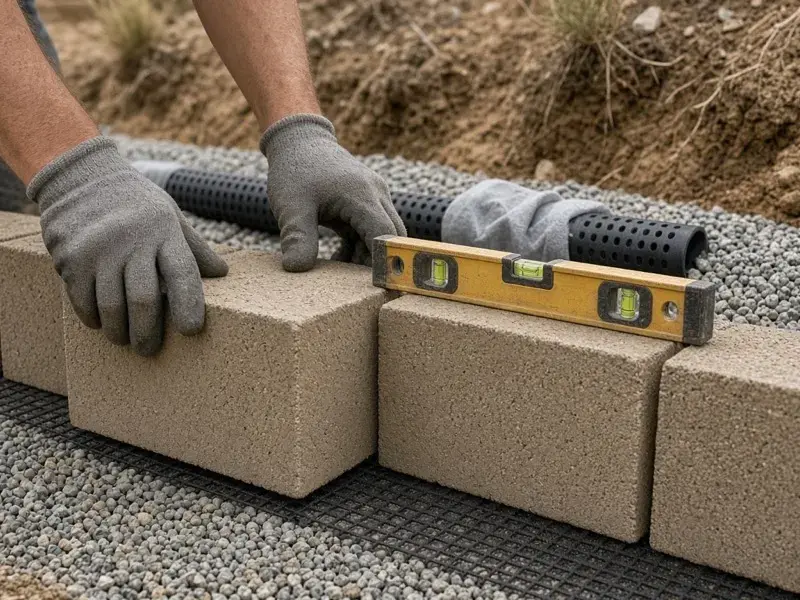
On steep Los Altos Hills lots, walls hold pads, drives and garden terraces. We build with drainage and reinforcement sized to the height, work with your engineer on taller walls, and plan access for materials on narrow roads.
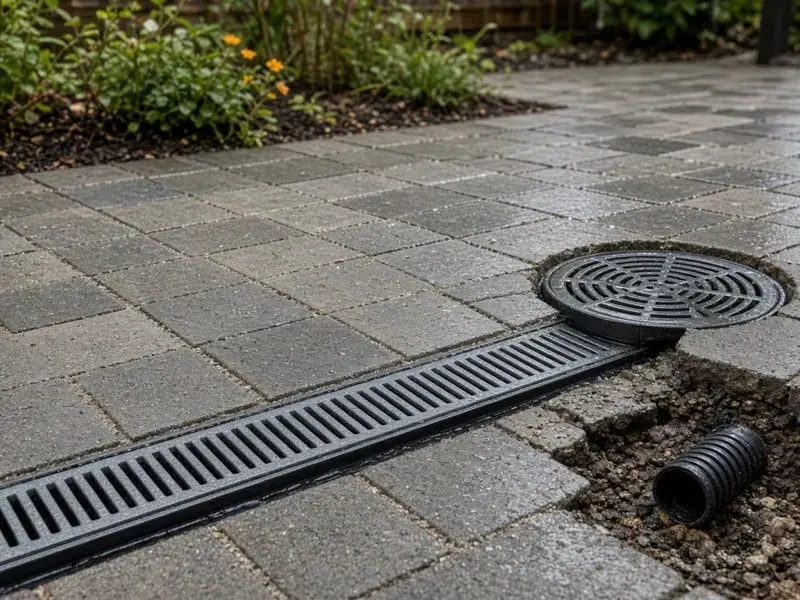
Large sloped lots collect a lot of water. We install drainage that moves it off the pad and away from walls and septic fields, using perforated pipe in fabric-wrapped rock, and finish with a safe, non-erosive discharge.
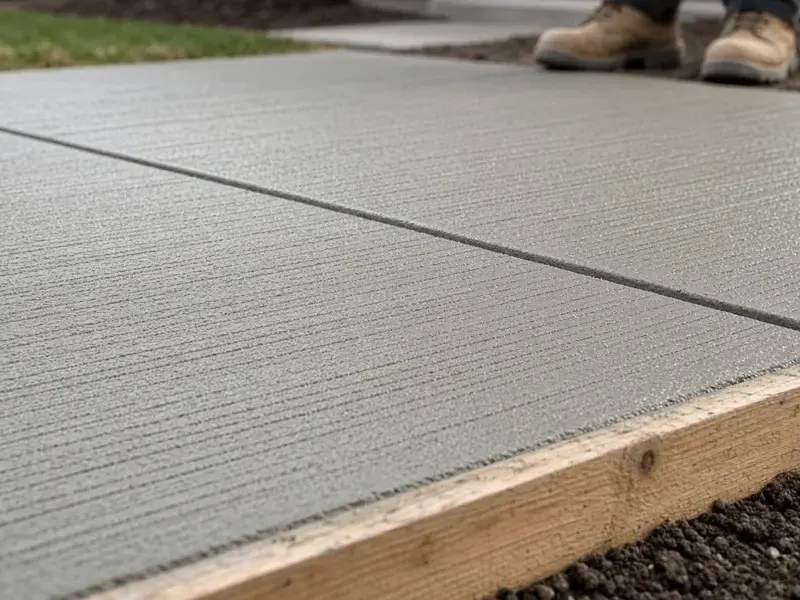
Long steep drives need traction, strong edges and good drainage. We form with proper slope, add reinforcement and control joints, and plan trench drains at the apron so water doesn't run into the garage or wash out the shoulder of the road.
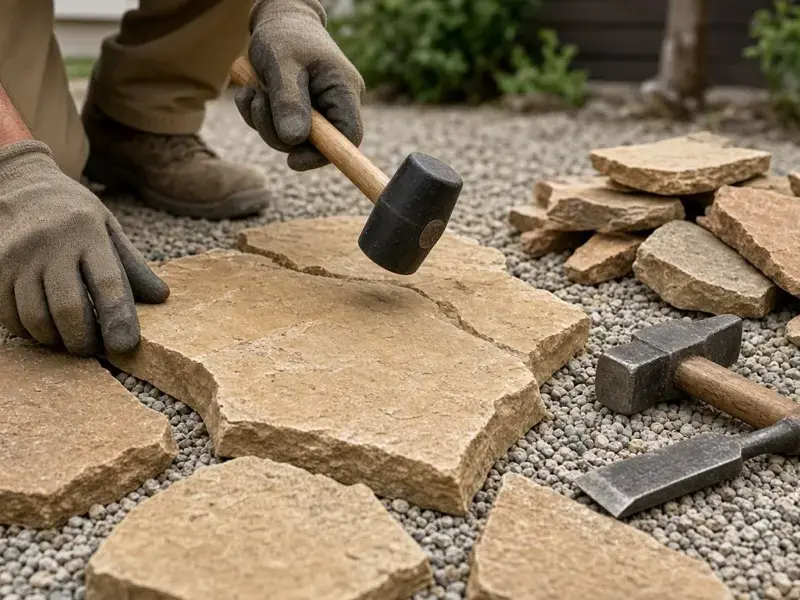
Natural stone suits the rural character here. We set irregular flagstone on a compacted base for patios and paths, using tight joints near the house and wider ones with groundcover further out in the garden, which also helps with hard-surface limits.
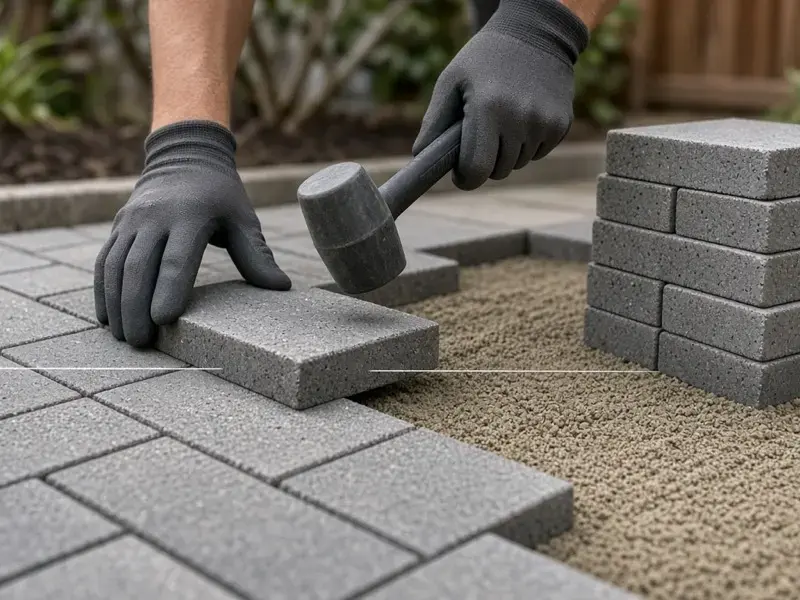
When coverage limits matter, a thoughtfully sized paver patio can be the best fit. We build stable bases on cut-and-fill pads, use open or permeable joints where allowed, and keep runoff from concentrating and heading downslope, since that's what starts erosion.
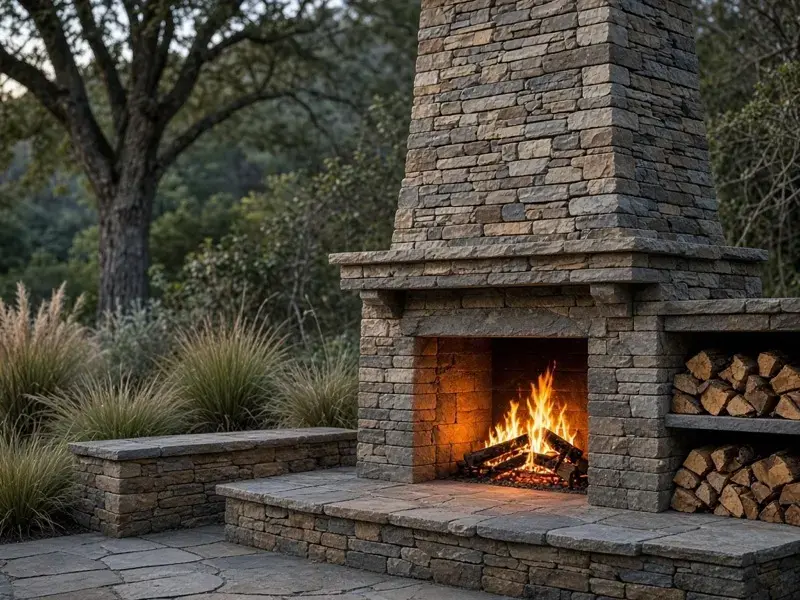
Gas fire features are common on view lots here, given Spare the Air days and fire season. We set them on non-combustible pads with proper clearances, and pick spots that are sheltered from the evening wind and well clear of dry grass and oak limbs.
Questions
They might. Towns with large-lot character often cap how much of a parcel can be covered by structures and hard surface. Check with the town about your limit and how different surfaces are counted before design starts.
We do grading work as part of walls, pads and driveways. Larger cuts or fills often need review, and the town may have strict limits. We keep disturbed area small and can help with the drawings the town may ask for.
Yes. Tanks, lines and leach fields shouldn't be paved over or driven on with heavy equipment. Find your as-built drawings, and we'll plan the work around the system and the setbacks.
Usually, with planning. We size equipment to the road, stage materials in smaller loads and sometimes carry the last stretch by hand or small tracked machine.
Letting concentrated water run downslope without a plan. It carves channels, undermines walls and can end up at a neighbor's. A swale, drain and clear outlet usually fixes that.
If you've got a big, sloped lot in Los Altos Hills and a plan that needs walls, drainage or a driveway, San Jose Hardscapes will walk it with you, find what the town allows and what the ground can handle, and put together a build plan that fits both.