San JoseHardscapes
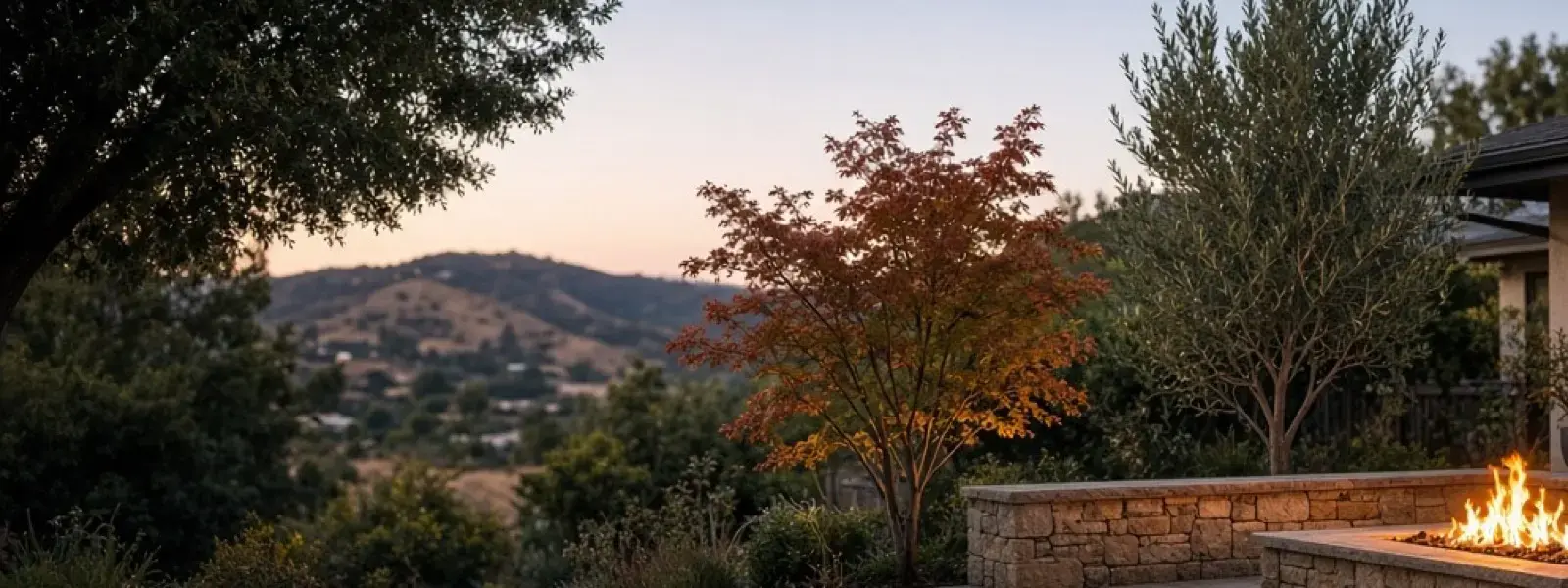
Finished backyard hardscape at dusk in the Santa Clara Valley with a paver patio, stone seating wall and gas fire feature

Where We Work

Hardscaping in Gilroy, CA

Patios, walls, driveways and outdoor living for Gilroy yards, built for the ground they sit on.

Hardscaping in Gilroy

Gilroy is the valley's southern end, with hotter, drier inland weather, large newer subdivisions, an older downtown core and farmland close by. Hardscaping here deals with heat, valley clay that can swell and shrink, creek-adjacent properties and big lots that need drainage planned across the whole parcel.

Gilroy is as far south as the Santa Clara Valley goes, and it feels different from the northern cities. San Jose Hardscapes works here in a mix of older downtown homes, big newer subdivisions and properties that back up to farmland. The weather's hotter, the air's drier, and the lots can be larger, which changes how we design almost everything.

Most people know the town for garlic, and the agricultural edge is real. Some properties border fields or orchards, and the soil in the valley is often heavy and slow to drain. That combination, heat on top and clay below, is what we plan around.

At a glance

Gilroy in brief

Climate

Hotter and drier than the northern end of the valley in summer, with a wet season from roughly November to April.

Housing

Large newer subdivisions on the edges and older homes in and near the downtown core.

Creeks

Uvas Creek and Llagas Creek run through the area. Work near banks often involves setbacks and agency review.

Soil

Valley soils can be expansive clay in many places, though conditions vary from lot to lot.

Ag edge

Some lots back onto farmland, with dust, irrigation runoff and open exposure to sun and wind.

Water use

Drought-year restrictions have pushed many homeowners toward low-water yards and hardscape.

Local conditions

What changes in Gilroy

01

Heat shapes every material decision

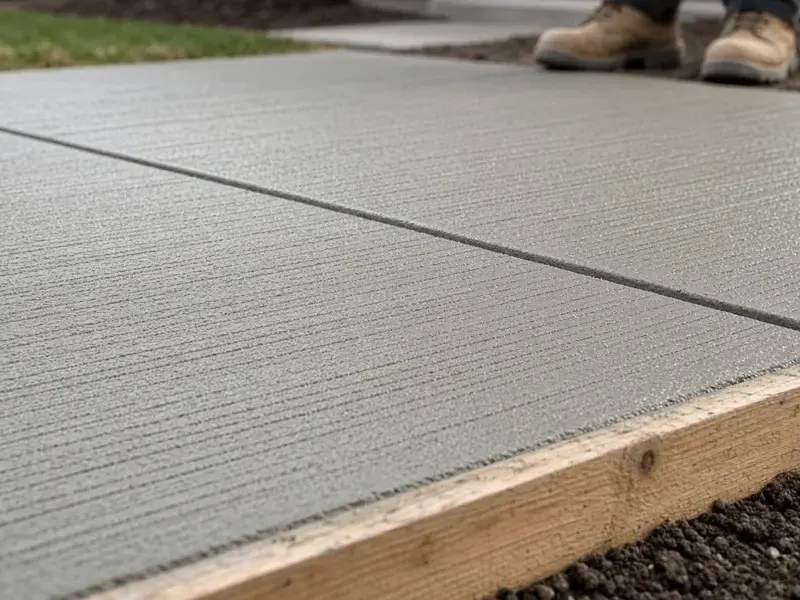
A dark concrete slab in a Gilroy July is no fun to stand on at 4 p.m. We discuss color, texture and shade at the design stage. Light-toned pavers, broom finishes, pergola shade and plantings around the edges all help the space stay usable.

02

Valley clay does what valley clay does

In many parts of town, the native clay swells in winter and shrinks in summer. Cracked slabs and wavy pavers are the usual result of a thin base. We dig deeper, compact the base in lifts and make sure the water has a way out so the clay stays at a more even moisture level.

03

Big subdivisions have tract grading and HOA rules

Many newer neighborhoods have lots graded to a builder's plan, with drainage easements along the back and sides. You can't block those. We locate them, read your HOA guidelines and design around the rules rather than hoping nobody notices.

04

Ag edges bring dust, wind and irrigation water

Properties next to fields can see irrigation runoff, wind-blown soil and open sun. We choose surfaces that are easy to sweep and hose off, use firm edge restraint, and add a drainage plan that accounts for outside water arriving at the property line.

01

Downtown and older Gilroy homes

Older neighborhoods near the downtown core have houses built across several decades, with smaller yards, mature trees and sometimes narrow driveways. A lot of these lots have been through decades of patching: cracked concrete, repaired slabs and mismatched edges. Starting with a clean sheet usually works better than building on top of old work.

A paver walkway or a refreshed patio can tie the house to the yard, and it's a cleaner fix than another round of concrete patches. We pull out failed material, check the grade and rebuild the base so water leaves the house instead of finding it.

02

Newer subdivisions on the south and east sides

Gilroy has grown a lot of new neighborhoods with large lots and big houses. The backyards are often blank slates with a concrete pad and some lawn. The builder's grading is typically just enough to meet the plan, and the soil near the surface may be compacted fill over clay.

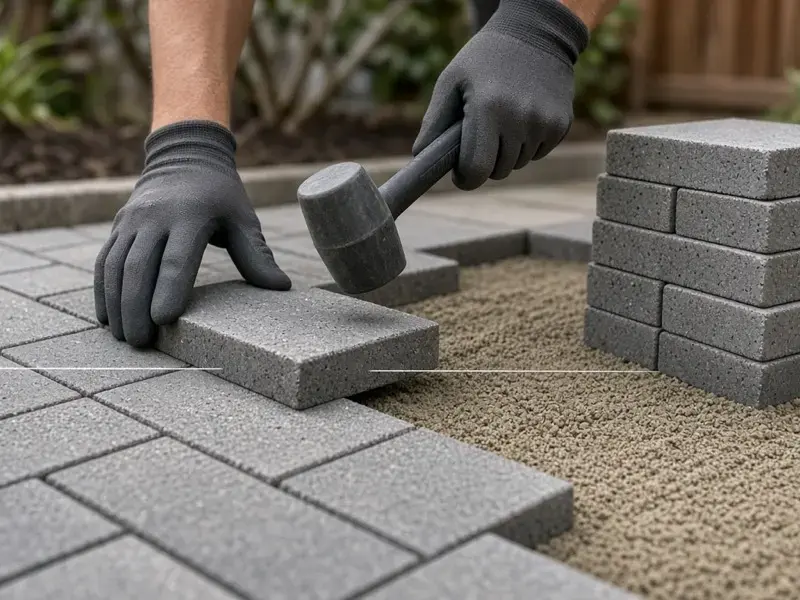
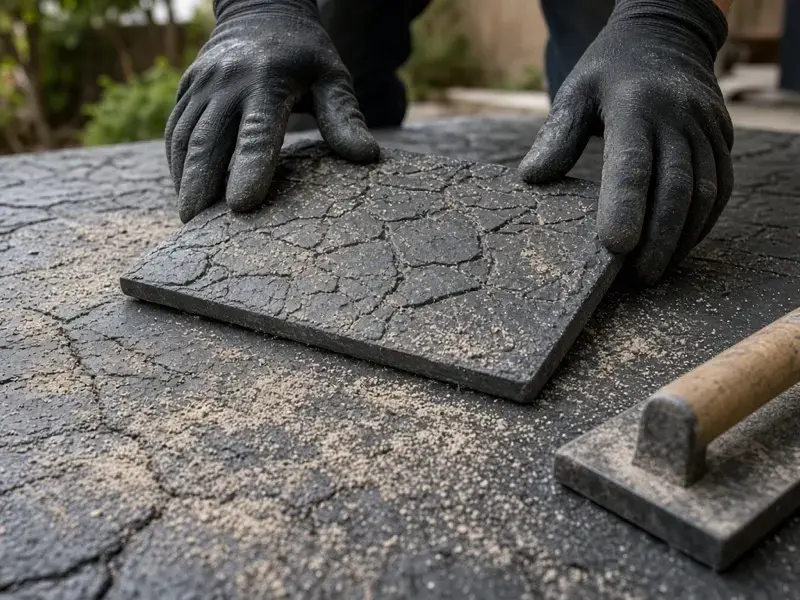
A big stamped concrete patio or a paver deck suits these yards, as long as the base is right. For concrete, that typically means a compacted aggregate base, reinforcement, and control joints laid out so cracks happen where we want them to. ACI guidance on joint spacing and curing is the standard to follow, and in hot weather, early curing matters even more because water leaves the surface fast.

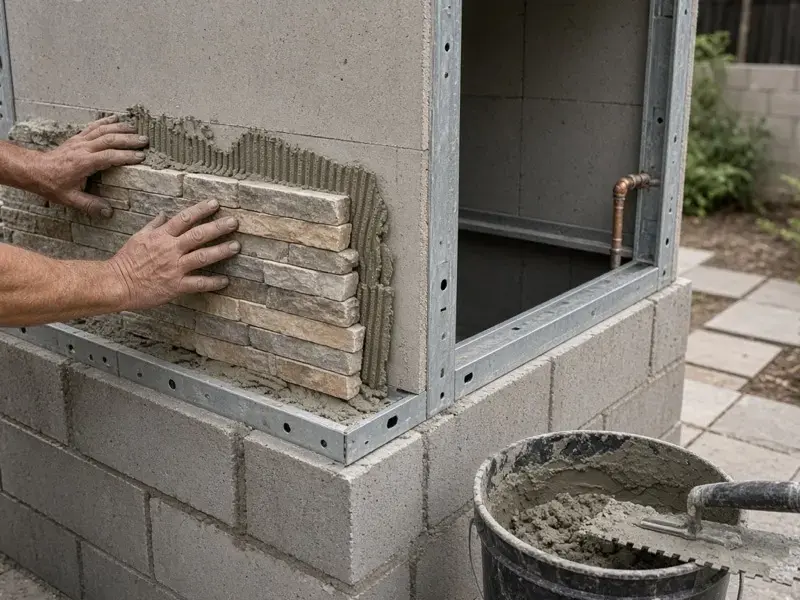
We also get plenty of requests for outdoor kitchens and covered seating, which makes sense given the heat and the long evenings.
03

Creeks, farmland and where the water goes

Uvas and Llagas creeks bring water through the area, and storm runoff is part of life. Properties near creeks may have setback rules, and some sit in areas where the water table rises in wet years. We'd rather look at the site than assume, and we'd check with the city or county on anything near a bank.

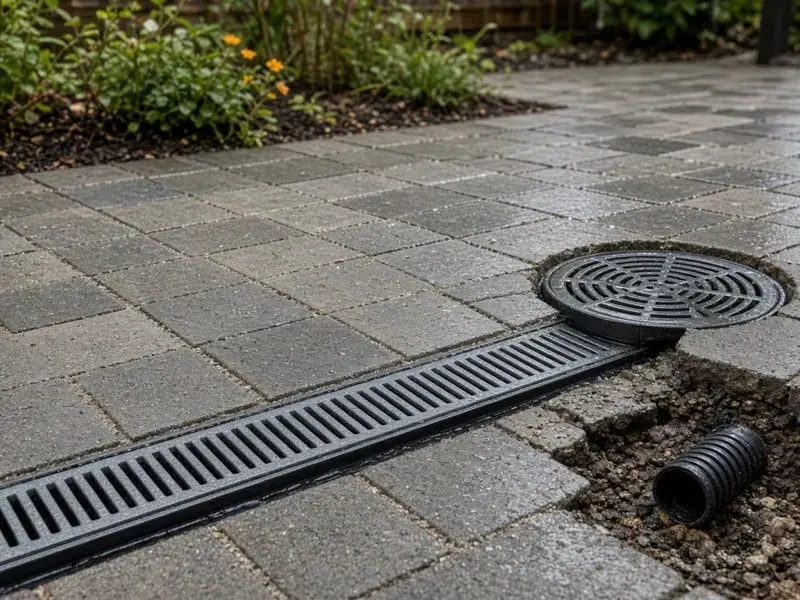
Drainage on large flat parcels is mostly about slope and outlet. A French drain only works if it can discharge somewhere legal and lower. Clay slows infiltration, so we avoid designs that depend on soaking water into the ground unless a test shows it works.

Popular in Gilroy

What we build in Gilroy

Questions

Gilroy questions, answered

How do hot Gilroy summers affect concrete work?

Hot, dry weather makes concrete set faster and lose moisture quickly. That makes curing, timing and joint sawing more important. We schedule pours around the temperature when we can and use proper curing methods.

Is the clay here really a problem?

In many parts of the valley, yes. Expansive clay moves with moisture and can crack slabs or tilt pavers if the base is thin. A deeper base and drainage help reduce that movement.

Can I build over a drainage easement?

Usually not. Easements often need to stay clear so water can pass. We locate them and design around them.

Do properties near farmland have any special issues?

They can see more dust, irrigation runoff and wind. We choose surfaces that are easy to clean and plan drainage that accounts for water arriving from outside the lot.

Do I need city approval for a new patio?

Simple ground-level patios often don't, but structures, gas lines, tall walls and work near creeks may. Check with the city or county, and we'll point out what we think applies.

Planning a project in Gilroy?

If you're in Gilroy and weighing a patio, a driveway or a drainage fix, San Jose Hardscapes can come out, look at the soil and sun exposure, and help you pick something that handles the heat and the clay.